General
The Anatomy Behind How Snakes Swallow Prey Larger Than Themselves
Written by Fatima Batool
September 12, 2026
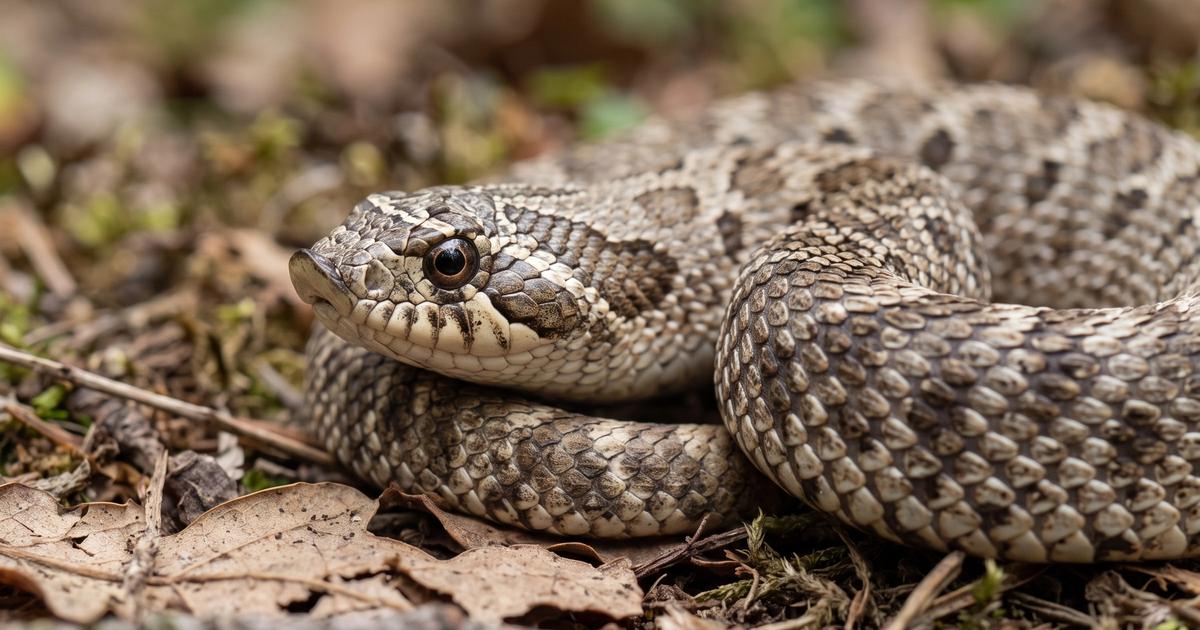
At first glance, it might seem physically impossible for a snake to swallow something that's too large for its body, but there are anatomical adaptations responsible for this phenomenon that have developed over approximately 150 million years since snakes separated from their legless ancestors.
Jaw Bones That Aren't Fused Together
A snake's jaw bones are not fused into one solid bone, as they are in humans. Instead, they're joined by an elastic ligament, and the bones on the sides of the lower jaw can flare outwards independently. This enables the majority of snakes to open their mouths to a much greater extent than normal. Reticulated pythons can open their jaws up to 180 degrees or open them straight.
Teeth Designed To Prevent Escape, Not Chew
Many snakes possess backward-directed, curved, sharp teeth along the jaw that have a specific function: keeping the prey from escaping while being swallowed, not chewing it. Because snakes swallow their prey whole, their teeth are designed purely for gripping and holding rather than cutting or chewing food. Because snakes swallow their prey whole, their teeth are designed for holding and chewing the food after it is swallowed.
Breathing While Swallowing Something Enormous
The obvious issue with eating very large prey is that the snake can't breathe while it is in the process of eating, a long process that also physically prevents a significant portion of the snake's throat from moving. Many snakes do this by manipulating the position of the opening of their airways while the food is being swallowed and moving the ribs in the different parts of the body they use for breathing so that air can continue to flow while the big meal passes through the esophagus.
Other animals show equally extreme adaptations, like the intelligence in How Smart Are Crows Really? The Science Behind Their Intelligence.
Pythons Can Stretch Far Beyond Their Own Skull Size
In this respect, pythons have also got soft tissue between their jaws, which can be expanded up to 4 times their skull size. This is a great flexibility that has been recorded, allowing the pythons to eat prey such as hyenas and alligators whole. They suffer in a physical way, and their skin looks saggy following the big meal, and it can take several weeks to digest this quantity of food, with special cells in their intestines that can dissolve bone. Some pythons don't need to eat for over a year after taking a single enormous meal.
Not Every Snake Swallows Prey Fully Intact
Although the whole swinging its head into the throat is the most popular aspect of the prey-swallowing strategy, not every snake employs it. Crab-eating snakes tend to eat the limbs of their prey one by one, and blind snakes have been seen beheading termites, presumably, in order to get the more digestible parts of their bodies. African egg-eating snakes have a specialized method of their own, which is that they have backward-facing spines on their vertebral bodies that they thrust into the intact egg from the inside of their esophagus to be able to eat whole eggs without having to break the shell first.
The King's Solution to Eating Something Longer Than Itself
If the prey is bigger in length than the snake, as an eastern kingsnake eats a rat snake longer than its own, it's another matter. When a king snake's flexible stomach does not have enough straight-line space, it will fold its spine, curving the prey into a zigzag inside of the stomach to fit the entire length of the prey into the space that is available inside the body.
What Happens Inside A Snake After A Big Meal
Swallowing is only half the job. Once the meal reaches the stomach, powerful acid and digestive enzymes begin breaking it down, including most of the bone and fur. Studies on Burmese pythons show that the body prepares for this effort within a day or two of eating. The metabolic rate jumps to many times its resting level, and organs such as the heart, liver, and intestines grow larger to handle the workload. After digestion finishes, they shrink back, which saves energy during the long gaps between meals.
A real example from the Everglades
Researchers in Florida’s Everglades have documented Burmese pythons eating white tailed deer, prey that looks far too big for the snake’s head. It works because of the stretching jaws, flexible ribs that are not locked to a breastbone, and skin that expands to hold the meal. Digestion of a meal this size can take days to a couple of weeks, and the snake may not need to eat again for weeks or even longer.
Why This Matters
These adaptations can be explained as the various ecological niches that snakes occupy without the ability to use their appendages to capture and dissect prey. Different species of snakes eat a variety of foods, from bird eggs to prey that is much larger than their body at rest; the unfused jaws, specialized digestive tissue, and flexible positioning of the spinal joints enable this.