Lifestyle
How To Clean An Oven Without Harsh Chemicals Or Hours Of Scrubbing
Written by Fatima Batool
October 18, 2026
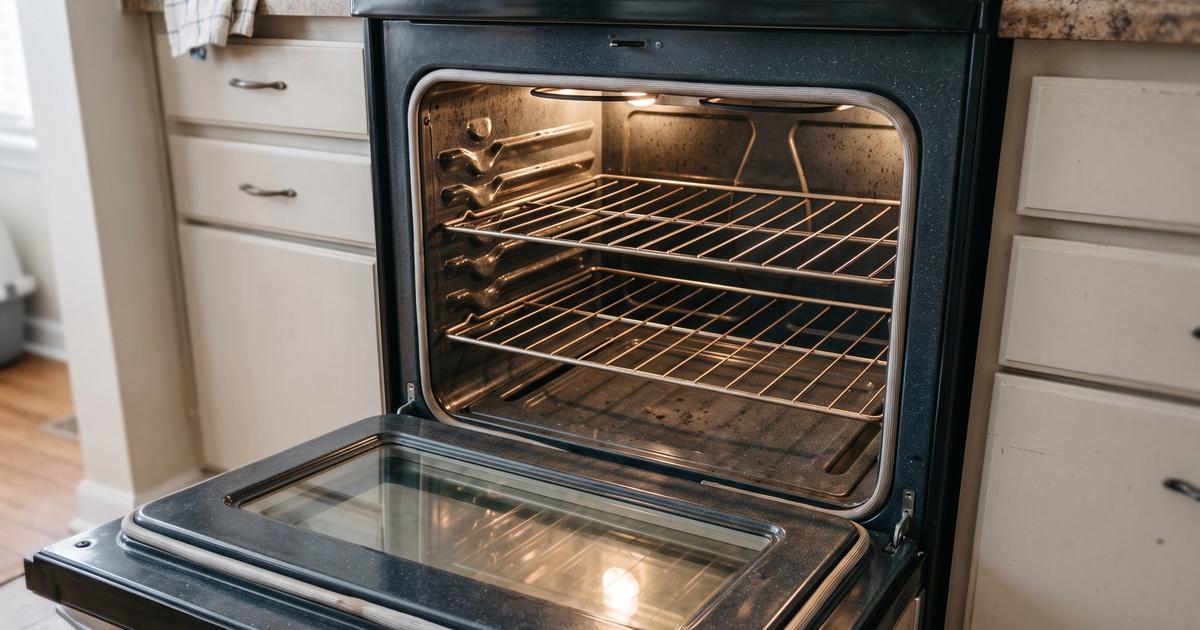
Commercial oven cleaners work, but they come with fumes strong enough to clear a room, a required ventilation period, and a long list of surfaces they can damage. The baking soda and vinegar method produces comparable results with none of that, and most of the work happens overnight while you sleep.
Why Baked-On Grease Is Hard To Remove
What Happens When Food Burns Onto Oven Surfaces
Grease and food residue that drips onto the oven floor during cooking undergoes a chemical change under sustained heat. The organic compounds polymerize, bonding to the metal surface and turning from soft grease into a hard, carbonized layer that soap and water alone cannot lift. This is the same chemistry that makes cast iron seasoning permanent, just applied to your oven floor in an unplanned way.
Why Scrubbing Alone Fails
Scrubbing dry carbon buildup without a chemical loosening agent just moves the residue around and scratches the surface. The key is giving an alkaline compound enough time to break the bonds between the carbon layer and the metal before any scrubbing begins.
The Overnight Baking Soda Method
What You Need
Half a cup of baking soda, a few tablespoons of water to make a spreadable paste, white vinegar in a spray bottle, a damp microfiber cloth, and a plastic or silicone scraper. No rubber gloves required since neither ingredient is caustic.
Step One: Remove And Soak The Racks
Pull the racks out completely and place them in a bathtub or large sink filled with hot water and a generous squirt of dish soap. Leave them to soak overnight alongside the oven interior treatment. By morning, most of the buildup wipes away with a cloth.
Step Two: Apply The Paste
Mix baking soda with just enough water to form a thick paste that holds its shape on a vertical surface without running. Spread it across every interior surface of the oven, including the door glass and the walls, avoiding the heating elements directly. The paste will look brown or yellow immediately as it contacts grease, which confirms it is working. Leave it for a minimum of eight hours, ideally overnight.
Step Three: The Vinegar Reaction
The next morning, spray white vinegar generously over the dried paste. The acid reacts with the alkaline baking soda and produces visible fizzing, which mechanically loosens the bond between the paste and the carbon layer beneath it. Let the reaction settle for five minutes before touching the surface.
Step Four: Wipe And Scrape
Wipe away the loosened paste and residue with a damp microfiber cloth. For stubborn spots that resist the cloth, use a plastic scraper at a low angle rather than a metal one, which scratches. Work in sections rather than large sweeps so you can see what still needs attention. Rinse the cloth frequently to avoid spreading loosened residue back onto clean areas.
Cleaning The Door Glass
Oven door glass is often the most visually obvious dirty area since every baked-on splash is backlit by the oven light. Apply the same baking soda paste directly to the glass, leave it for the same overnight period, and wipe clean. For glass with very heavy buildup, a single-edge razor blade held at a shallow angle removes carbonized residue without scratching tempered glass, though this requires a careful, slow hand.
Keeping The Oven Cleaner For Longer
The Liner Method
A reusable silicone oven liner placed on the bottom rack catches drips before they reach the oven floor. It wipes clean in the sink after each use and eliminates the majority of floor buildup entirely. This one addition reduces how often the full cleaning process is needed from several times a year to once, sometimes less.
Catching Spills While They Are Still Fresh
Fresh spills that have not yet baked on wipe away with a damp cloth within the first ten minutes after cooking while the oven is still warm but not hot enough to burn. A spill left until the next cooking session requires significantly more effort to remove. The habit of checking the oven floor briefly after cooking and wiping anything fresh is the lowest effort way to avoid buildup.
Self Cleaning Cycle Considerations
Ovens with a self-cleaning function reach temperatures above 900 degrees Fahrenheit to incinerate residue into ash, which is then wiped away. Running this cycle on a heavily soiled oven produces significant smoke and fumes and stresses the oven’s heating elements, which can shorten their lifespan. Using the baking soda method to remove most buildup first and running the self-cleaning cycle only for residual traces is gentler on the appliance.
My Honest Take On Oven Cleaning
I avoided cleaning my oven for longer than I should admit because I assumed it required either commercial spray that smelled like a chemical plant or hours of scrubbing. The first time I tried the overnight paste method, I was genuinely surprised that most of the interior wiped away with almost no effort the next morning. The only part that needed real attention was a section near the back that had years of buildup, and even that came away with two applications. It is now one of the few cleaning jobs I do not dread because most of the work happens while I am asleep.
Final Thoughts
Baked-on oven grease requires an alkaline compound and time, not elbow grease or strong chemicals. Baking soda left overnight breaks the bond between carbon buildup and the metal surface, vinegar triggers the final loosening reaction, and a damp cloth removes what remains. Adding a silicone liner afterward reduces how often the whole process needs repeating.
Frequently Asked Questions
How long should the baking soda paste sit?
A minimum of eight hours produces good results. Overnight, roughly twelve hours, is ideal for heavy buildup.
Is it safe to use baking soda on all oven surfaces?
Yes on enameled, stainless, and standard painted oven interiors. Avoid applying it directly to exposed heating elements or the thermostat sensor.
What if the paste does not remove everything in one application?
A second application left for another eight hours removes most remaining residue. Very old, heavily carbonized buildup may need two cycles.
Can this method be used on a gas oven?
Yes, with the same precautions about avoiding direct contact with gas burners and ignition components.
How often should an oven be cleaned this way?
Every three to six months for regular use, or sooner if visible buildup has formed on the floor. A silicone liner extends the time between full cleans significantly.