Lifestyle
The Japanese Way To Keep A Driveway Weed Free Without Chemicals
September 20, 2026
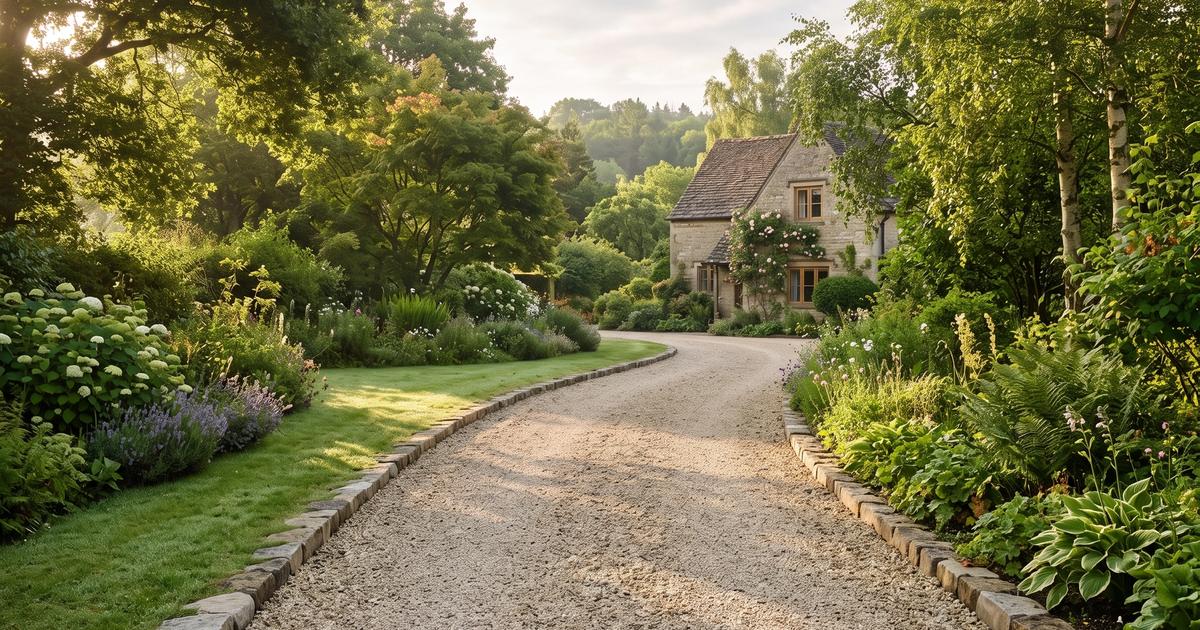
It's not about finding a better product to keep a driveway or gravel path weed-free for years without chemical sprays. It is about the Japanese attitude of soji, which means to cultivate a place; it is not about a struggle with a big battle now and then, but about nurturing it throughout the day. When used on weeds, it can alter the way you kill existing weeds as well as the way you prevent the establishment of new weeds.
Boiling Water Is The First Tool To Reach For
Carefully pouring a kettle of plain tap water over the cracks where weeds grow goes on the simple biology principle. Leaves and stems collapse within a day due to the enzymatic destruction of their proteins, which is caused by the rupturing of the plant cell walls by water at 100°C.
Boiling water is a contact treatment and therefore only affects that which comes into direct contact with it. Typically, young seedlings lacking well-established roots perish completely. Weeds with deeper root systems, such as dandelions or bindweed, may reappear within weeks of being cut down. The treatment is repeated every 2–3 weeks, which eventually uses up the root's stored energy. Another tangible benefit of boiling water over salt is that it does not discolor paving or corrode concrete, nor does it leave behind any residue.
Why Salt Is Worth Avoiding
Salt is more effective at killing weeds, but it is not easily contained. It gets washed sideways into the surrounding soil, where it can damage trees, shrubs, and other beneficial soil organisms for a number of years. Salt is only appropriate when there is no vegetation in a pure pavement crack, and even then it may leach outwards. Boiling water serves the same purpose, but without that long-term risk.
Horticultural Vinegar for Tougher Weeds
Horticultural vinegar, which contains 20 to 30 percent acetic acid, is effective at killing plant material, burning the waxy coating on leaves, and is more effective than the mild vinegar found in kitchens for established weeds that cannot be successfully removed with a pot of boiling water. At this concentration it is a true irritant, so gloves and eye protection are required, and it's best to use it on a still day, as it will affect any plant it comes into contact with, not just weeds. Both boiling water and vinegar are nonselective and not for use in a flower bed, because hand pulling is safer there.
Preventing Weeds With a Fabric Barrier
Prevention is the part of this method that delivers a long-term solution. Gravel driveways and paths are typically spread over a woven landscape fabric called a bosou sheet, which lets water flow through but prevents sunlight from reaching the soil beneath. Weed seedlings can't grow without light.
Installation is straightforward: the space is cleared to bare soil, the fabric laid over with a few inches of overlap at the seams, pinned down, then covered by 2 to 3 inches of gravel or decorative stone. When properly done, this can keep weeds out for 10 years or more and requires little maintenance beyond the occasional seed that falls between stones.
Mulch And Ground Cover For Planted Areas
Fabric is not used in flower beds, as it can hinder plant growth and soil organisms. Two to three inches of bark or wood chip mulch provides the same light-blocking effect, keeps the soil moist, and gradually adds nutrients to the soil as it decomposes. In Japanese gardens, creeping thyme or moss can also serve this purpose, filling bare soil so densely that weeds have no chance to settle.
The Daily Habit of Kusamushiri
Hand pulling is at the core of the Japanese method for controlling weeds. The method is called kusamushiri, where the soil is soft after rain and the weed is pulled straight up from the ground with the root coming out completely rather than snapping off. This is done quickly every few days. Left until late summer, the same task becomes a long weekend of digging through compacted, dry dirt, which crumbles rather than releases the root.
Timing Matters More Than Most People Realize
The greatest damage from boiling water and vinegar occurs under stress, a hot, dry, sunny afternoon when a plant's pores are open and internal water is moving rapidly. Hand pulling works best in the opposite conditions, soft, moist soil in the morning after rain. Many people apply these techniques at the wrong time, which is why they get inconsistent results from methods that do work when applied at the right moment.
Persistent Weeds Need a Different Strategy
Plants with deep root systems, such as bindweed or Japanese knotweed, will not be killed by boiling water alone, as the roots can reach meters deep. For these, the only effective strategy is exhaustion, cutting or pulling each new shoot the instant it emerges, week by week through the growing season, until the root can no longer replenish its underground energy reserves through photosynthesis. This normally takes two to three growing seasons until the root finally fails.
What This Actually Costs
A kettle of boiled water is virtually free. A jug of vinegar can be purchased for a couple of dollars and will last for months. A bag of mulch costs approximately 10 to 15 dollars a year, and a roll of landscape fabric costs about 30 to 50 dollars and lasts for about 10 years. Chemical weed control products used repeatedly over time can be costly and cause problems with pets, children, and soil health; this option is much less expensive long-term and eliminates any concerns about chemical exposure in a home.