Lifestyle
The Japanese Washing Machine Method That Costs $14 A Year
September 20, 2026
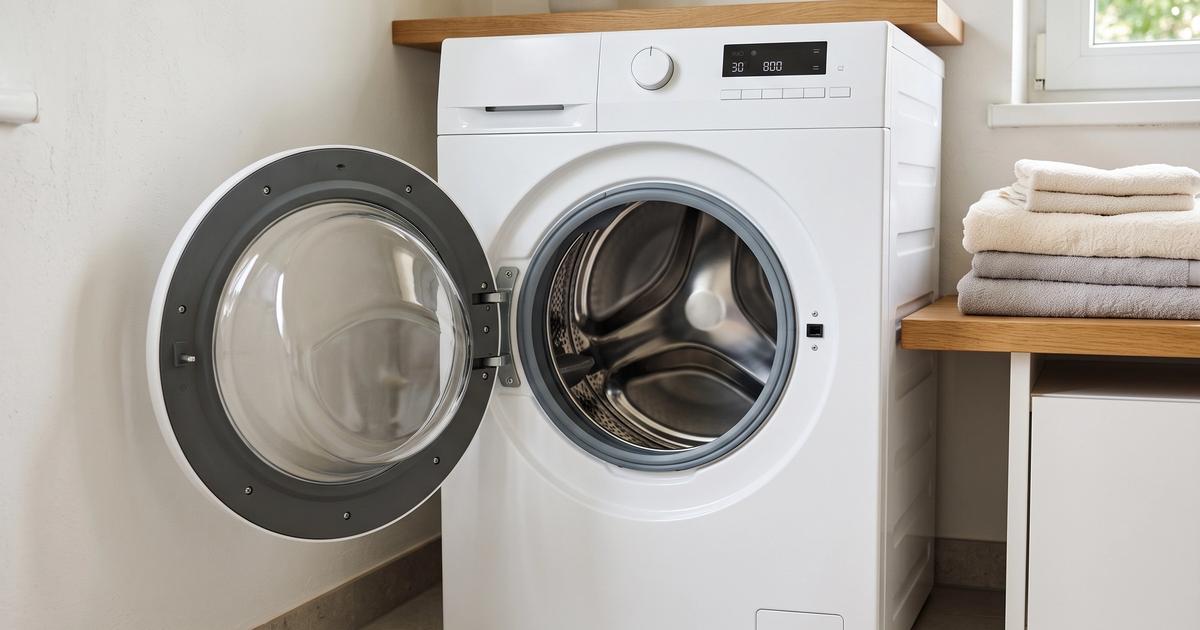
Just open a washing machine now and touch the inner surface of the rubber door seal. Researchers have sampled the inner parts of typical washing machines and discovered that there are more bacteria per square inch on them than on a toilet seat, and very little can be seen from a casual viewing. The average washing machine in Japan is not plagued by this issue, not because Japanese families wash less laundry or have better washing machines, but rather because of a certain laundry practice they have been following for generations with two cheap powders.
Why A Normal Wash Cycle Never Actually Cleans The Machine
The actual thing that grows in a washing machine is hidden at three specific points, none of which are touched by a regular wash, commercial washing machine cleaner tablets, or the self-clean button. First, the folds of the rubber door gasket collect standing water and mold. Second, the underside of the detergent drawer gets coated with a slime film. Third, there is a pump filter that collects hair, coins, and sludge that most owners never open in the machine's entire lifespan. These three zones leave residue on fabric that touches skin with every wash cycle.
Step One: The Overnight Oxygen Bleach Soak
Sentaku souji is the Japanese method, based on sodium percarbonate, available in most supermarkets as oxygen bleach or chlorine-free bleach. When half a cup of sodium percarbonate powder is added to a drum filled with the hottest water possible, it produces significant amounts of oxygen between 50 and 60°C, enough to break down biofilm and mold clinging to drum surfaces. This is usually done overnight for 6 to 8 hours, giving the oxygen time to penetrate every corner and crevice and loosen deposits built up over years.
Step Two: The Empty Hot Wash
The following morning, running the washer's longest and hottest cycle with nothing inside it but the overnight solution reveals what has been lurking in the machine. Loosened biofilm typically turns the water dark gray or black as it circulates through the drum. After the cycle finishes, wiping the drum dry with a microfiber cloth removes a visible layer of residue that a regular wash never touches.
Step Three: Cleaning The Three Hidden Zones
This is the part of the process most households outside Japan skip entirely. To remove hidden mold from the door gasket, wrap a microfiber cloth around a wooden chopstick, dip it in warm water mixed with a tablespoon of citric acid, and run it into the folds of the rubber gasket. The detergent drawer, which typically pulls out fully via a release tab, can be soaked for 30 minutes in a hot water and sodium percarbonate solution, then scrubbed with an old toothbrush, and the cavity it sits in should be wiped with the same citric acid solution. The pump filter, located behind a small panel at the base of most machines, should be opened carefully over a shallow tray, since water and debris will flow out when the cap is removed. Rinsing the filter under hot water before reassembling it addresses a component directly linked to lingering laundry odor.
Step Four: The Citric Acid Rinse
Sodium percarbonate leaves behind a slightly alkaline residue, and mineral deposits from tap water can accumulate in pipes over time. Sprinkling about a third of a cup of citric acid powder into the empty drum, then running a hot cycle for 30 minutes, neutralizes the residue and dissolves mineral scale in one pass. Citric acid should never be mixed with chlorine bleach, as combining the two produces toxic gas. If the machine has been cleaned with bleach previously, a plain water cycle should be run first before adding citric acid.
Step Five: Leaving The Door Open
The easiest part of the entire process is also the one that prevents most issues from returning. Keeping the washing machine door open after each wash, along with leaving the detergent drawer slightly open, provides the airflow needed to remove the moisture, darkness, and warmth mold requires to grow.
Why Visibility Changes The Habit
In many Japanese households, the washing machine sits in an open alcove near the bathroom or on a balcony, staying visible as part of the everyday flow of the household. That visibility naturally leads to small maintenance habits, wiping the gasket while brushing teeth, leaving the door open because it's visible from the kitchen, without requiring conscious discipline.
A Practical Routine And What It Actually Costs
Wiping the gasket dry after each load and leaving the door open takes about 30 seconds. A weekly citric acid wipe-down and rinsing the detergent drawer takes only a few minutes. The full process, done once a month, requires about 12 minutes of hands-on time, since most of it happens overnight or during a wash cycle.
A 1 lb box of sodium percarbonate costs approximately $8 and lasts about a year. A bag of citric acid powder costs around $6, bringing the annual cost to about $14, as opposed to commercial cleaning tablets that can cost well over $140 a year for the same frequency. Beyond the direct savings, mold and mineral buildup gradually damage rubber seals, pumps, and drum bearings, meaning a well-maintained machine can last 12 to 15 years instead of the typical 7 to 10, avoiding a replacement that costs $700 to $1,200.
What To Expect The First Time
The first empty wash cycle on a machine that has never been cleaned this way, especially if it's several years old, may run almost black, and a second empty cycle may be needed to get it clean. The citric acid rinse will leave a slight sour odor that lasts about a day until the acid finishes removing residual buildup, which clears after one more plain hot water cycle.